

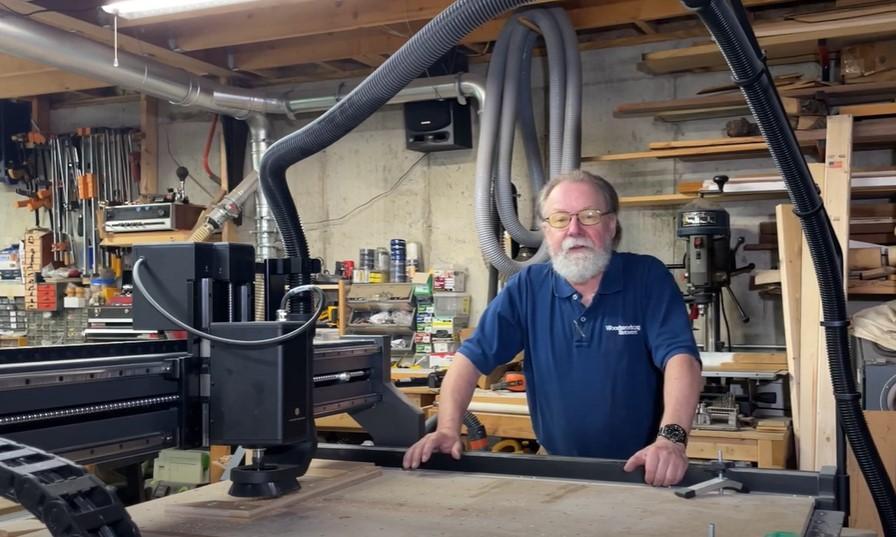
Woodworkers are some of the most creative and inventive people I know. And that’s a really good thing, because they all too often are simultaneously trying to reinvent the same wheel.
See, the problem is that most woodworkers are just not natural networkers. They are also often shy at asking questions. They don’t want to seem dumb or stupid for not knowing something that absolutely everybody must know. But, of course, everybody doesn’t know. Otherwise, so many of them wouldn’t be chasing their tails in the shop trying to find the same solutions that everyone else is looking for.
This leads to more than a few problems. Ask 10 woodworkers how they build a cabinet box, and I’d be surprised if you didn’t get 10 different answers. Hire a new employee, and he brings with him an entirely different bank of knowledge than the folks who have been working for you for years. Sometimes, that’s a good thing because both the new worker and old crew often learn from each other. Of course, it also leads to fights.
When I was editor of Fine Woodworking magazine, I ran an article about how to arrange boards and grain direction for a panel glue-up as in a tabletop. The legendary wood craftsman Frank Klausz called me up to complain. It was the first time I’d ever talked to him, and I was relatively new at FWW, so I was intimidated. Frank gave me a lecture about what was right and wrong about the article, and then he got to his real complaint. He said he lost half a day of productive work from his crew because they spent that much time arguing about it.
Then there’s the natural reticence of so many woodworkers to networking. They don’t talk to each other or other shops. They often don’t want to leave the shop to attend workshops, conferences or trade shows. They frequently don’t belong to trade organizations like the CMA, KCMA, or AWI. So, they stay in the shop, working longer hours than they should, working harder than they should, to do less than they could, and make not as much money as they should.
To be fair, there are lots of woodworkers who do join these groups, who do get out of the shop, who do attend conferences and trade shows, and who do ask questions. And you can tell the difference when you visit their shops and talk with them about business and production efficiency. They typically don’t just say, “This is what we do because we’ve always done it that way.”
More likely they can tell you why they do what they do, how and where they learned that method, and why they think it’s better. They asked questions and found answers before trying to solve some problem all by themselves. It kind of reminds me of the tired old joke about men never asking for directions. Now we have Google Maps and AI. But that’s another argument for another day. I’ve got a wheel back in the shop that needs reinventing.



Have something to say? Share your thoughts with us in the comments below.