

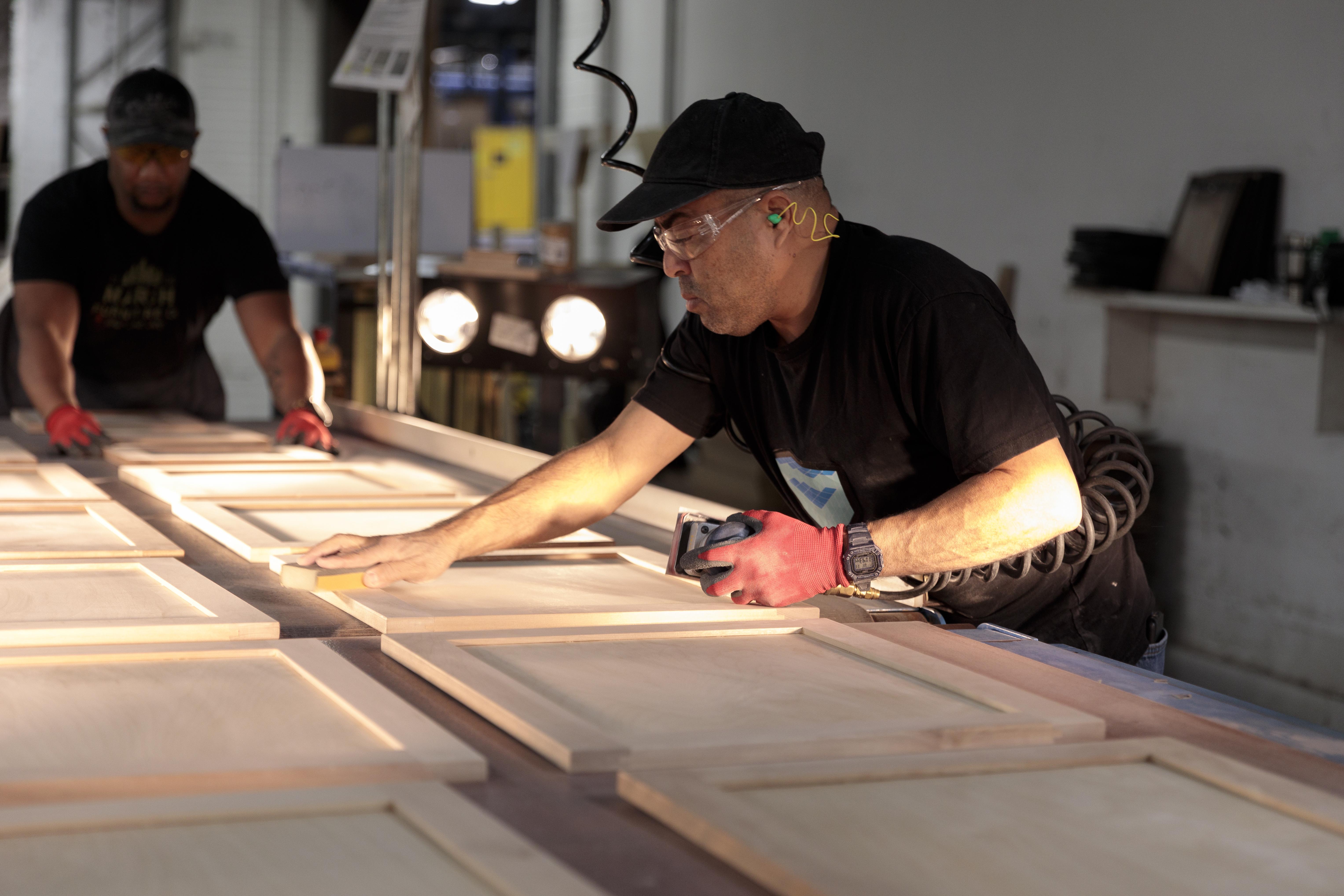
This July, our country turns 250 years old. This is, by any measure, worth celebrating. But a milestone that size also invites a kind of reckoning. It is an occasion to ask whether the things we’ve been saying for a long time still mean what we think they mean. “American-made” is one of those phrases. It carries genuine pride and weight. It also turns out to be harder to define than most people realize.

So, what do we mean when we say something is American-made?
The Federal Trade Commission, which governs how companies can use the claim in marketing, describes the standard as “all or virtually all” domestic content. There is no specific percentage. The FTC evaluates each case on its own facts, weighing how much of the product’s total manufacturing cost is attributable to domestic work and how remote any foreign content is from the finished product. It is a deliberately flexible standard, and that flexibility matters. It means the label, on its own, cannot tell you everything you want to know about a manufacturer’s relationship to this country.
That is not a criticism of the FTC. It is a reality of American manufacturing, which has always been more complicated than a label can capture. What it suggests is that if we want a meaningful definition of American-made as the country turns 250, we have to look beyond the label.
A clear mission
Fortunately, there is a place to look. Research on companies that have lasted as American manufacturers for 100 years or more tells a consistent story. Studies find that fewer than half of one percent of all US businesses make it to the century mark, somewhere around 1,000 companies out of the millions that have ever existed here. The ones that do share a recognizable pattern. They tend to be guided by a clear mission that prioritizes survival over short-term benefit or gain. They adapt to whatever the moment requires without losing sight of what they fundamentally are.
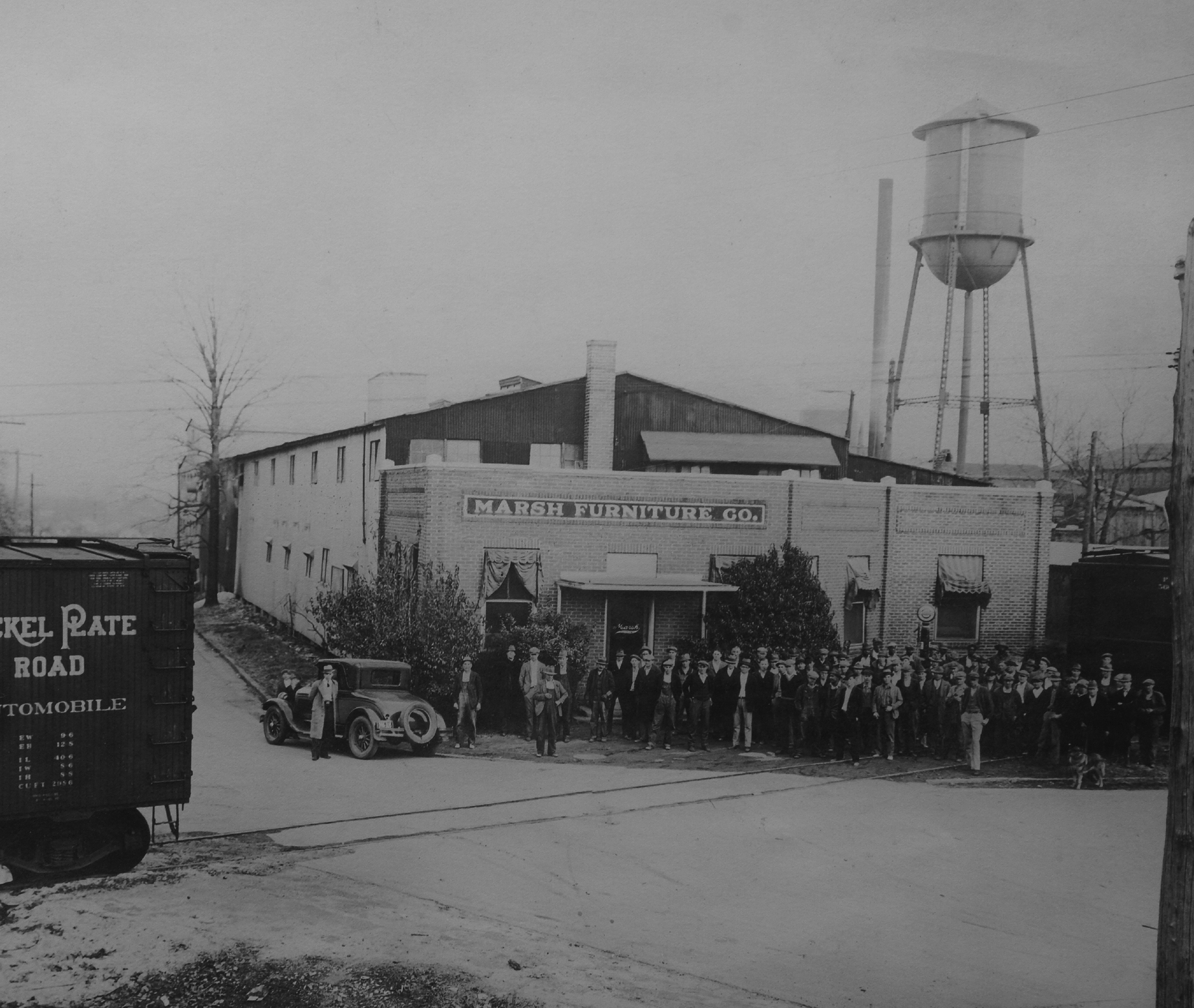
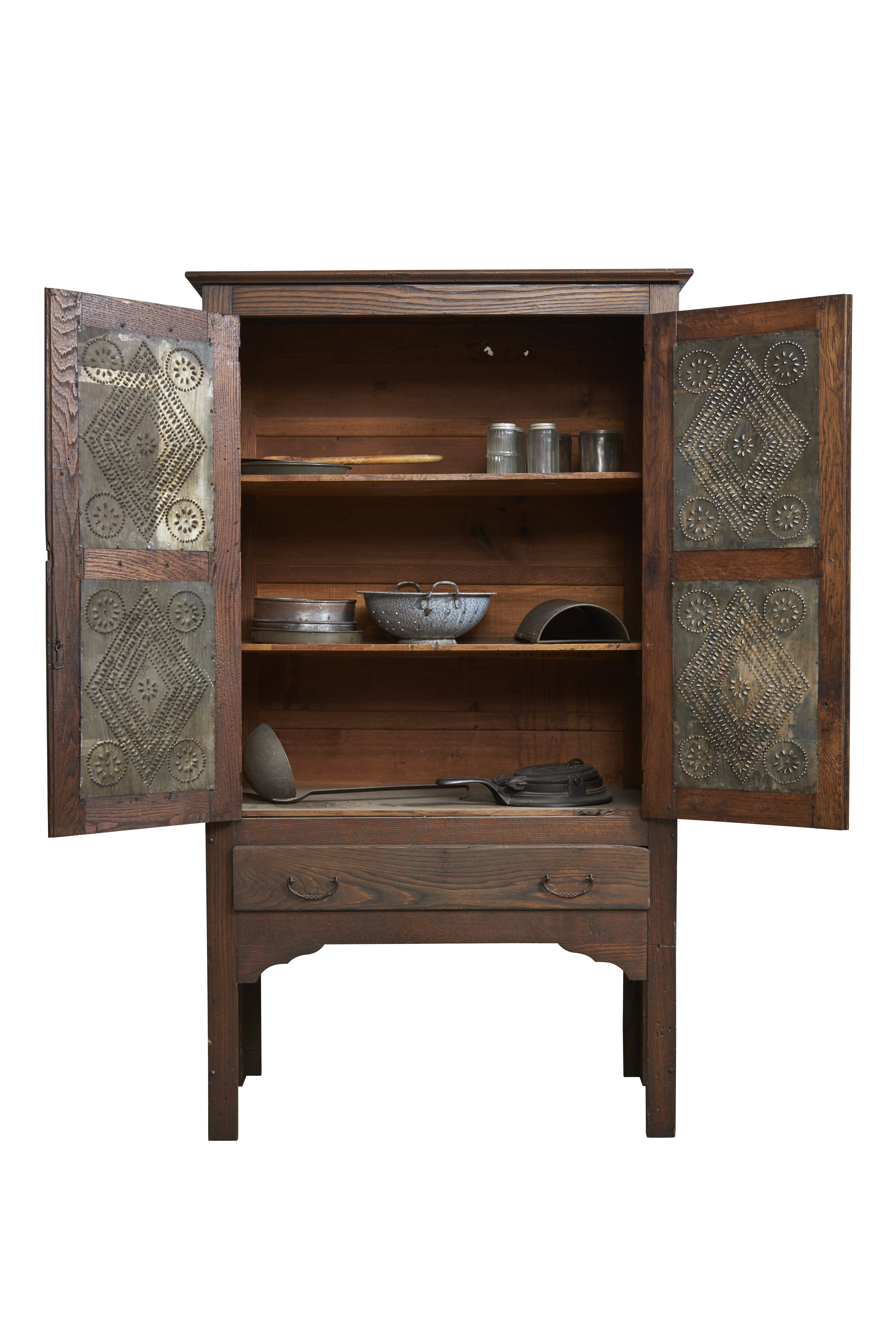
That is a more useful definition of American-made than a percentage point. A genuine, durable commitment to a place: to the workers there and the surrounding community, the customers who rely on that work, and to the suppliers who are treated as partners rather than interchangeable vendors. The evidence is not a snapshot of where this year’s components were sourced. It is a pattern of choices made over time, when a less expensive option was almost always available.
This is worth thinking about as manufacturing consolidation accelerates. Over the past decade, independent manufacturers across many industries have been absorbed into large private-equity-backed conglomerates at a significant pace. In 2020, more than 70% of private equity deals in the U.S. took the form of add-on acquisitions, rolling smaller companies into larger ones. The economics are real. Scale creates efficiency. But what tends to disappear in that process is exactly what longevity research points to: the long-term commitment to a specific place and its people, and the financial discipline that prioritizes the health of the business over returns to investors in any given cycle.
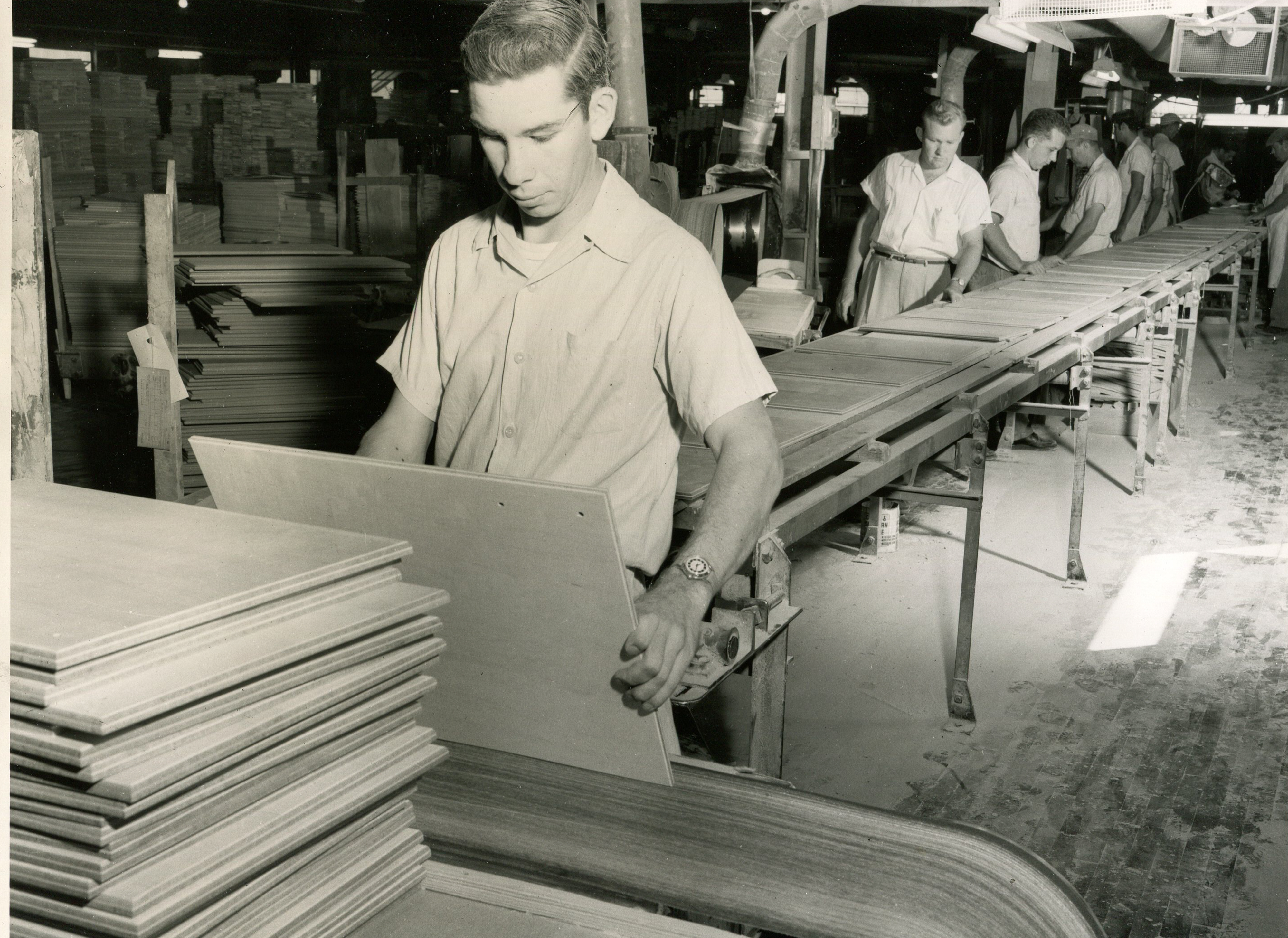
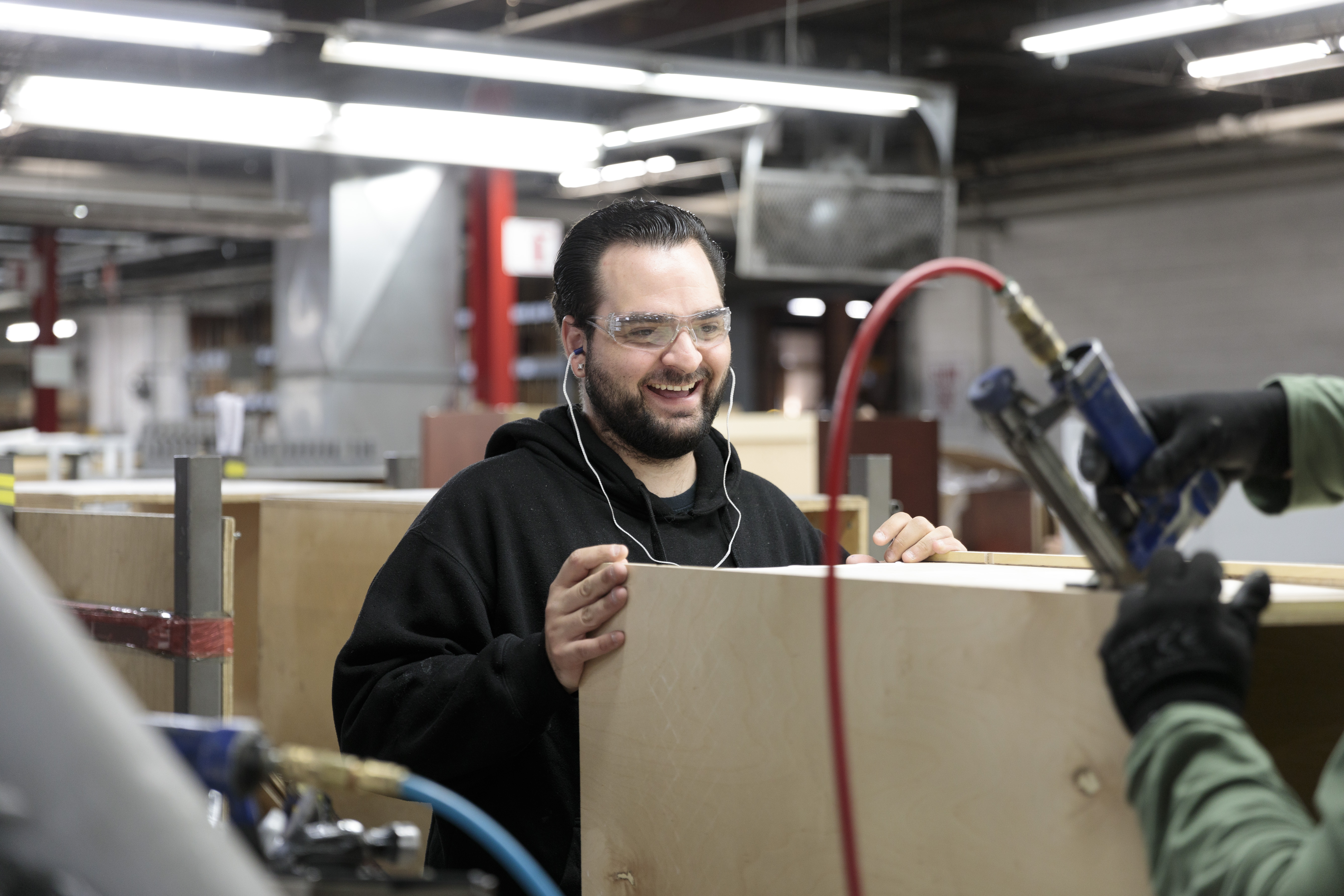
Running a company so it can outlast you is a different ambition than running it to maximize returns in the near term. Those two goals are not always in conflict, but when they are, the choice defines what kind of manufacturer a company is.
Willingness to adapt
I have spent 12 years in executive leadership (six as CEO) at Marsh Cabinets, a family-owned manufacturer based in High Point, North Carolina, celebrating its 120th anniversary this July. We source a large percentage of our materials domestically, and we continue to manufacture in High Point what many others in our industry purchase from overseas vendors – choices that reflect real decisions made across multiple generations, even when less expensive options were available. But what has kept this company operating through two world wars, the Great Depression, a global pandemic, and multiple housing downturns is not a materials percentage. It is the pattern of financial discipline treated as stewardship, and relationships with customer and supplier partners, employees, and the community built over generations.
During World War II, Marsh shifted production to manufacturing rifle components. That moment has always struck me as a meaningful illustration of something I think about often: a company’s survival depends on its willingness to adapt to whatever the situation requires, without losing sight of what it fundamentally is.
The cabinet industry, like many manufacturing sectors, has seen significant consolidation in recent years. I understand the forces driving that. Scale has genuine advantages. But it is worth being clear about what consolidation tends to cost: the long view and the local relationships. The orientation toward a place that cannot be replicated from a corporate headquarters in another state or country. Those are not sentimental losses. They are competitive losses, for the companies that give them up and for the communities that depended on them.
At 250 years old, our country has a chance to ask what kind of manufacturers it wants to have around for the next 250. I believe it is the ones that plant themselves in communities and take the long view on their workers and their neighbors, that treat a manufacturing commitment as a form of stewardship rather than a line item. The label cannot tell you which companies those are. Their history can.
About the Author: David Littlefield is the CEO of Marsh Cabinets, a family owned cabinet manufacturer based in High Point, North Carolina, celebrating its 120th anniversary in 2026.

Have something to say? Share your thoughts with us in the comments below.