

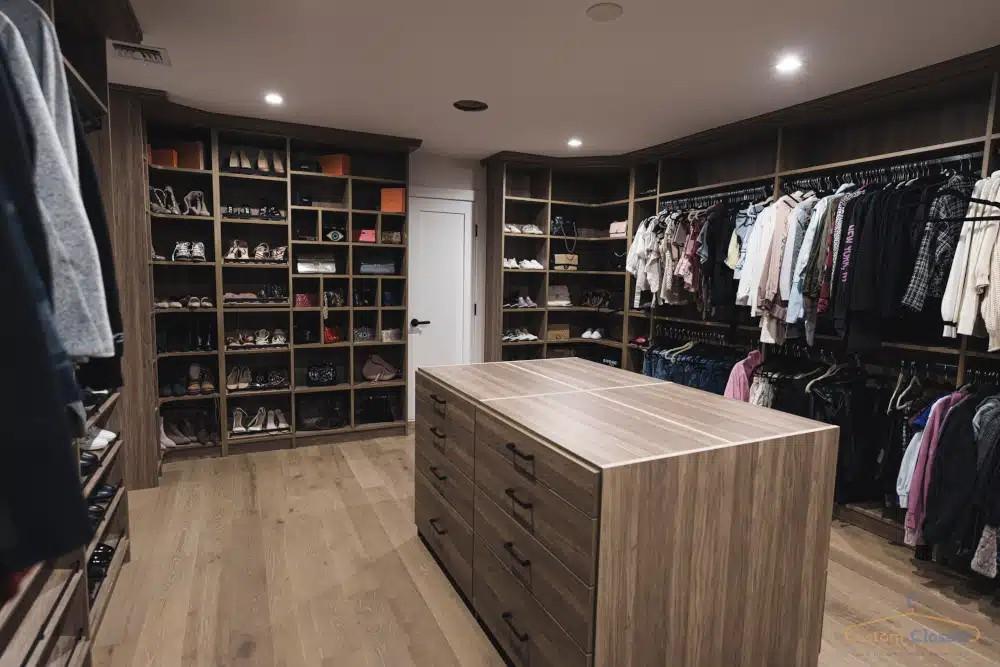
NEW YORK — In this guide, Custom Closets and More is showing how thoughtful design choices—backed by real examples from NYC homes—transform everyday routines into elegant rituals.
Luxury doesn’t start with square footage. It starts with intention. It’s the way homeowner's closets glow before they even turn on the lights… It’s the feeling of pulling open a velvet-lined drawer and seeing every piece exactly where it belongs… It’s that quiet confidence that comes from walking into a space designed not just for storage.
In a city where every detail speaks volumes, custom closets should be no exception. Whether it’s a serene, white-on-white wardrobe or a moody boutique-style dressing room, a walk-in is more than a place to hang clothes – it’s part of the home’s identity. From curated shoe displays to textured finishes and architectural lighting, these ideas prove one thing:
Clients don’t need more space.
They need a space that feels just right.
Step 1: Start with the mood, not the measurements
Before you even get into how many shelves you need, ask yourself: how should this space feel?
- Warm and sophisticated, like a Park Avenue dressing room?
- Clean and minimal, with gallery lighting and everything behind sleek doors?
- Romantic and feminine, with glass panels, brass finishes, and soft ambient light?
This is where the design begins – not in the layout, but in the mood.
For example:
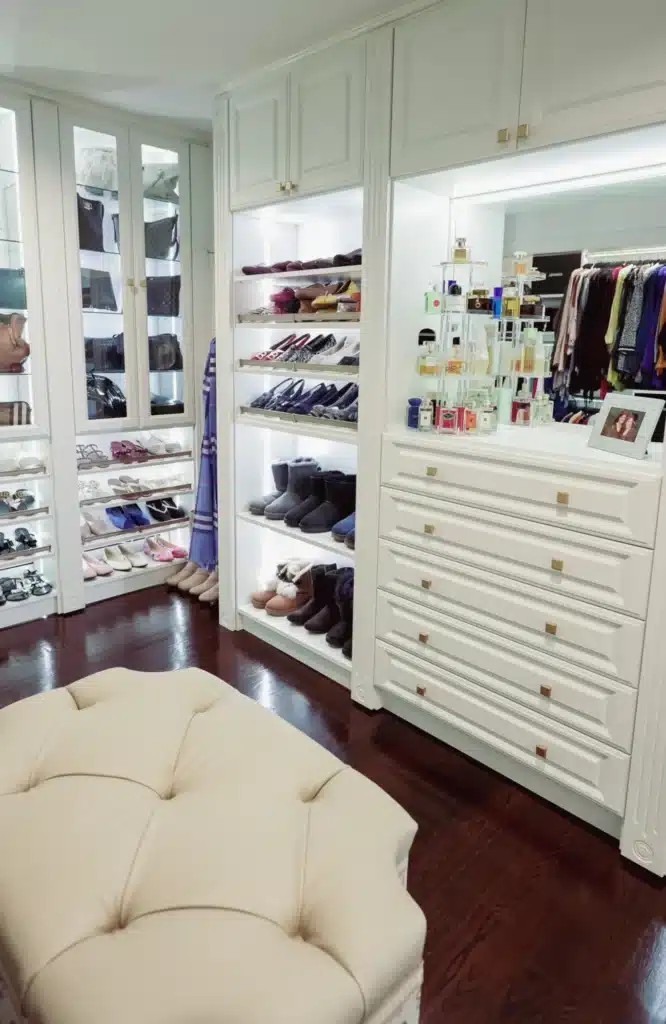
This Manhattan homeowner came to us with a clear vision: she didn’t just want to organize her wardrobe – she wanted a space that felt elegant, feminine, and fully hers.
On the right, you’ll see the gold-detailed drawers, each one lined and organized just for her. In the center, a vintage-inspired floral ottoman she picked out herself. It’s where she sits to plan her outfits, respond to emails, and sip coffee before stepping out into the city.
You’re building a private space that reflects your client's lifestyle and taste. It should feel as intentional as the rest of the home (if not more so).
Step 2: Think in layers - not in shelves
Great closet design is all about visual layers.
Your eyes should land on focal points. Textures should shift subtly from panel to handle to accent. Light should move across the space like it was designed to.
Try this:
Use tall cabinet doors to create visual height and a clean, architectural frame. Mix matte and gloss finishes for contrast—think flat oak panels against satin gold handles. Float shelves behind smoked glass for a museum-like display. Line the back of a shoe wall with soft LED glow for instant boutique energy.
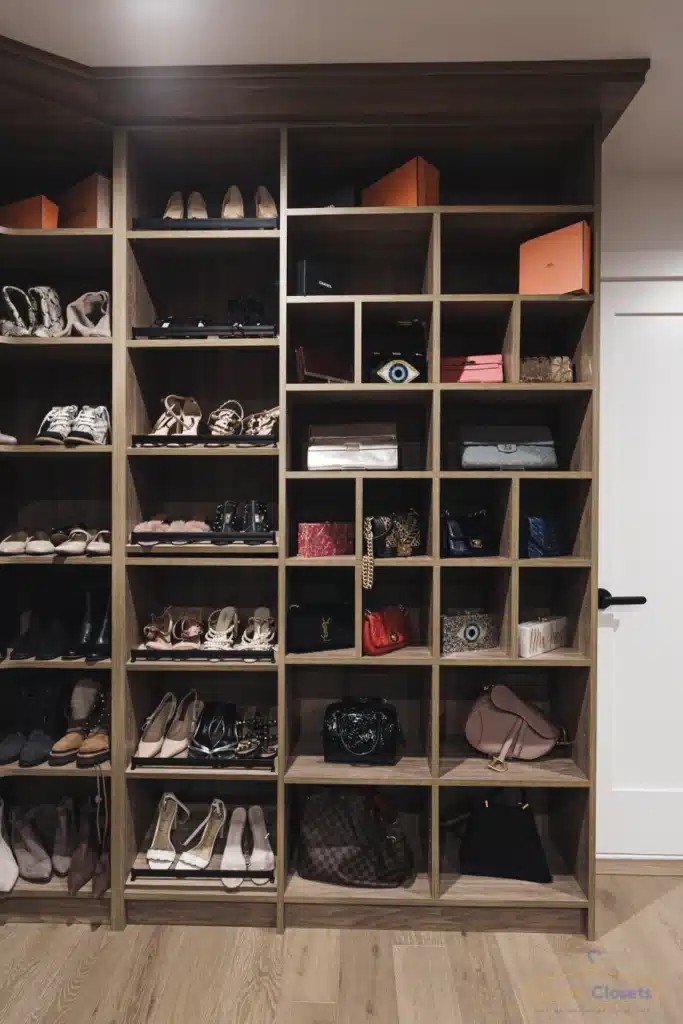
For this project, we built a dedicated wall of cubbies in walnut tones, each backlit and measured for our client’s collections. Rows of neutral heels, designer crossbodies, and even collector packaging now sit perfectly spaced—and perfectly admired. The best part? She told us she started wearing things she forgot she owned.
Luxury design isn’t just about beauty. It’s about visibility, and creating that “shop-your-closet” feeling.
Step 3: Choose finishes that tell a story
This is where things get personal.
A luxury walk-in should borrow its palette from the client's personality. Are they drawn to light woods and soft whites? Or black oak and brushed steel?
Take this sleek masculine walk-in in Midtown Manhattan. The client, a financial exec, travels often and wanted a space that felt like a hotel suite in London – moody, masculine, and ridiculously organized.
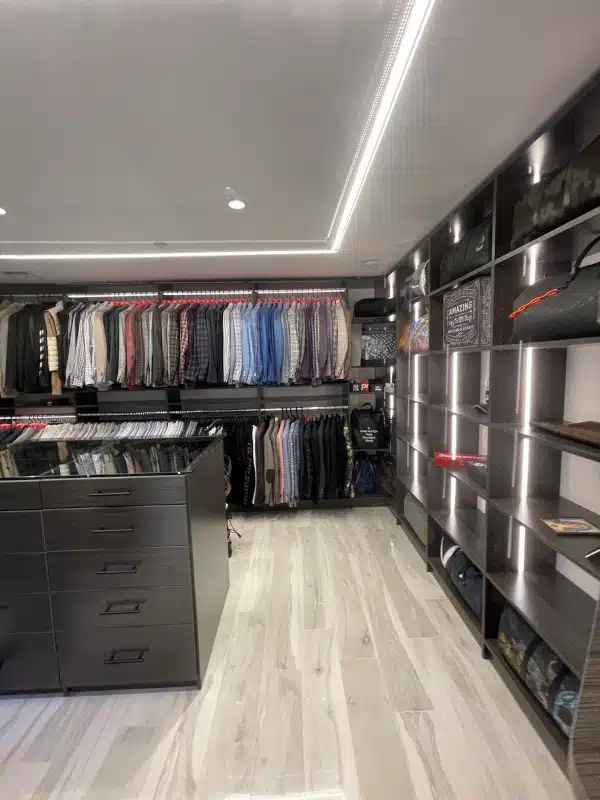
The glass-topped island not only stores accessories – it reflects light from the perimeter LED trim, creating a sophisticated glow. It’s not just functional. It’s a vibe.
When designing your own space, think contrast:
- Matte wood meets glossy surfaces.
- Leather drawer pulls on soft-touch panels.
- Neutral cabinetry with bold lighting accents.
Each layer adds quiet drama—and a sense of thoughtfulness that feels expensive.
Step 4: Incorporate architectural moments
This is a secret most closet companies miss: a luxury closet isn’t just a storage area—it’s a room.
And every room needs structure. Shape. A focal point. You want your closet to feel designed, not just installed.
Consider:
1) Crown molding to frame the upper cabinetry.
2) An inset vanity niche with its own lighting and finish.
3) A dramatic full-height mirror framed in the same material as the cabinetry.
4) A center island (even a small one) with stone top or soft leather inlay.
5) A ceiling detail – a subtle coffered look or a luxe pendant light—to draw the eye up.
These touches transform your closet into an experience. They give it soul.
This space is all about clarity and polish. Glass doors stretch the vertical lines, while underlit shoe displays add museum-like presentation. It’s designed to feel clean, open, and indulgent – like a walk-in spa for the wardrobe.
Step 5: The signature features that add drama
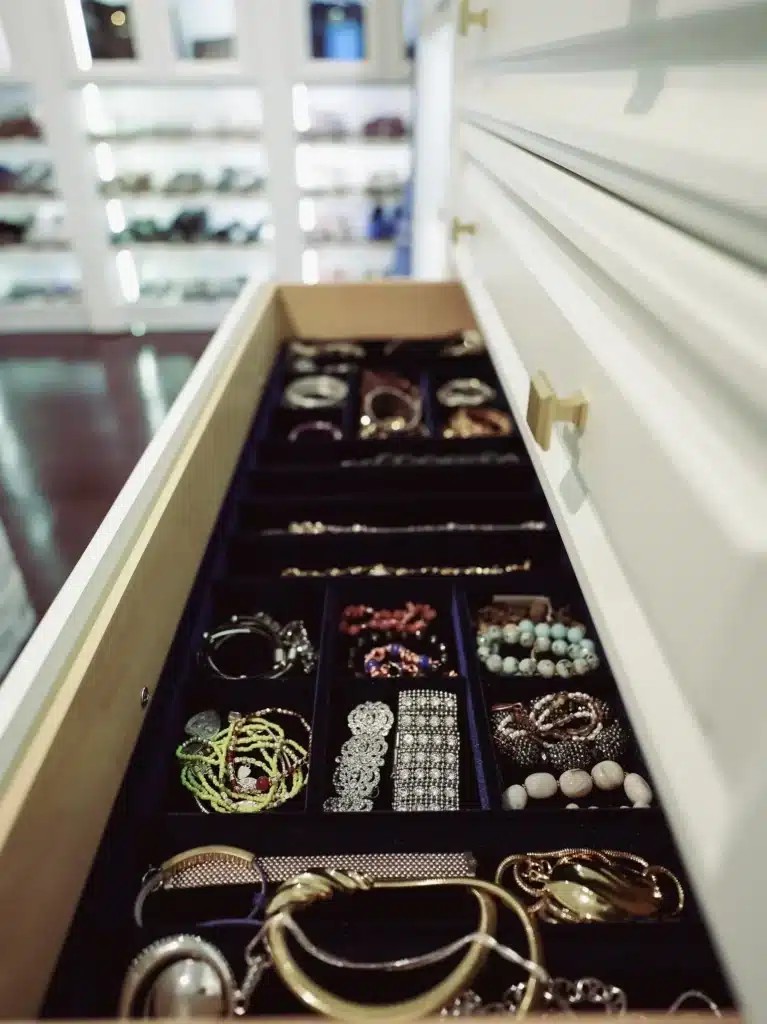
- Jewelry drawers and hidden safes
Velvet-lined drawers with soft dividers give necklaces, rings, and watches a proper home. Want an extra layer of peace of mind? A built-in drawer safe is the perfect hideaway for heirlooms, luxury watches, or anything wanted to kept discreet but close.
- Glass-front shoe walls
A perfectly lit display of heels, boots, and sneakers, all behind sleek glass doors. Think of it as your own private boutique. One client even told us, “I get dressed faster because I can actually see what I own—and it looks so good, I want to wear all of it.”
- Matte black accents
From rods to drawer pulls, black hardware makes everything else pop. Paired with warm woods or creamy tones, it feels sharp and confident without trying too hard.
- Soft ambient lighting
Skip the overhead bulb. Think integrated lighting behind panels, inside drawers, and softly glowing under shelves. It makes your closet feel like a space you linger in, not rush out of.
- Built-in laundry hampers
No more laundry baskets cluttering the floor. A pull-out hamper hidden behind a matching drawer front keeps the space beautiful and functional. Bonus points if it’s divided for lights and darks, because yes – luxury can be practical too.
Final thought: design for presence, not just use. At the end of the day, the goal is to create a space that adds to it.
A space that doesn’t just make mornings easier, but makes them feel better. A space that won't be hidden behind a door, but open proudly when guests say, “Oh my god… is this your closet?”




Have something to say? Share your thoughts with us in the comments below.